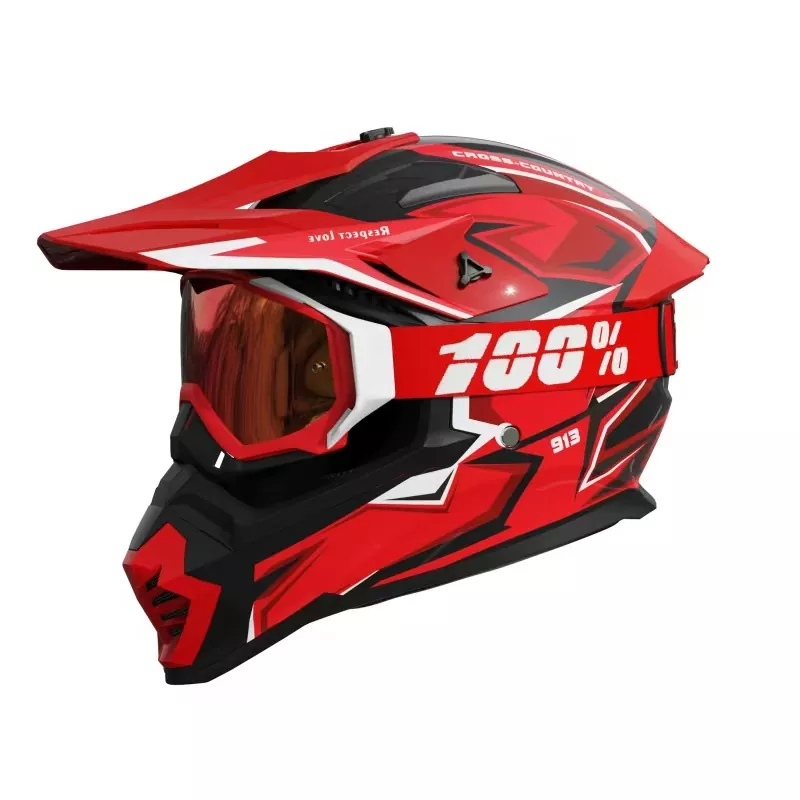
Plenty of riders get stuck on the same question: can you just grab an Off-Road Helmet and use it as a cycling helmet, or the other way around? The short answer is—no, you really can’t. The two come from completely different design philosophies, right down to the root. How they think about ventilation, where they put their protection priorities, how they handle your field of view—every single detail has the DNA of its intended riding environment baked right in. This article is going to pull apart the core differences between these two helmet types, so you can see for yourself why the whole “one helmet for everything” idea rarely turns out to be a smart move in the real world.
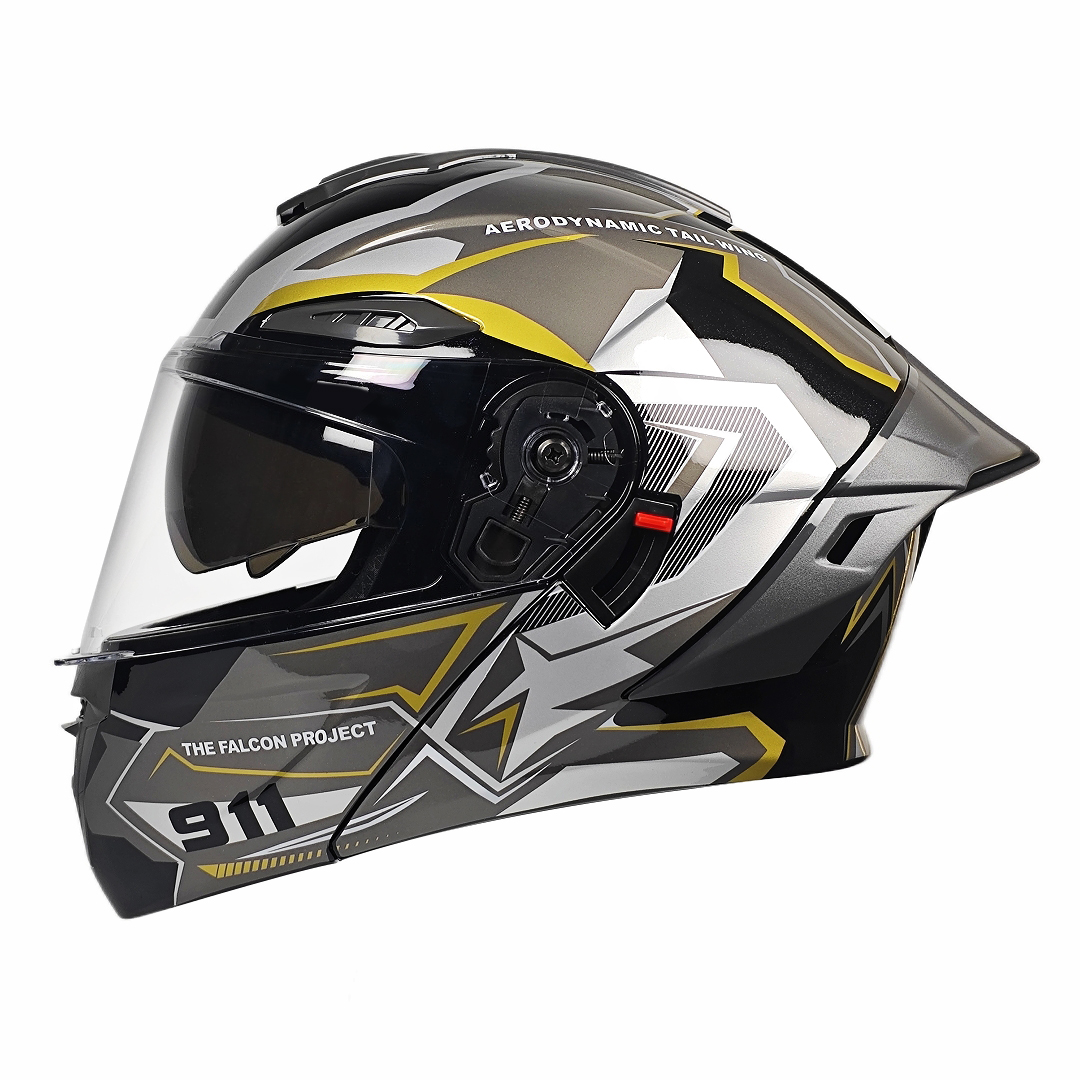
With a riding jacket, you can actually see when it's starting to give up—frayed stitching, faded panels, a zipper that's seen better days. Helmets don't give you that courtesy. Their decline is sneaky; it creeps up on you from the inside. That foam liner that's supposed to cradle your head? Over time it slowly loses its spring, packing down and getting less responsive. Meanwhile, the shell itself is taking a quiet beating from everyday UV exposure, baking in the sun bit by bit until the material's toughness isn't what it used to be. In this article, we'll lay out how long a helmet realistically lasts, spell out the warning signs that mean you need to retire it on the spot, and shine a light on all those harmless-looking storage habits that are silently eating away at its useful life.
Il prezzo dei caschi varia da poche centinaia a decine di migliaia e la differenza principale sta nel materiale della calotta. ABS, fibra di vetro e fibra di carbonio presentano ciascuno dei compromessi in termini di peso, resistenza e costo. Questo articolo analizza le caratteristiche tecniche dei tre materiali per aiutarti a fare una scelta razionale in base al tuo scenario di guida, evitando un'allocazione errata del budget.
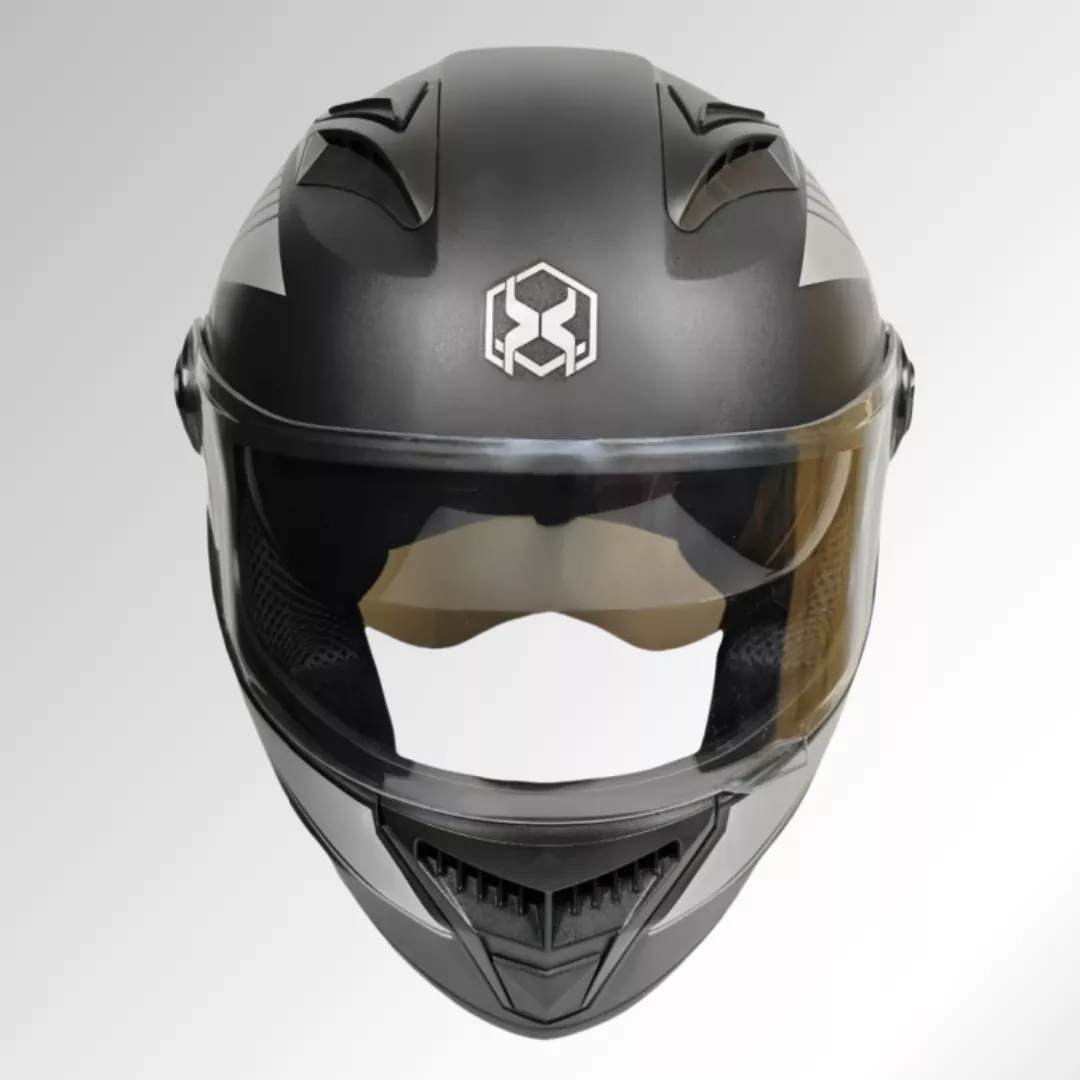
Quando si tratta di scegliere un casco, la stragrande maggioranza dei ciclisti si basa sul prezzo e sull'aspetto praticamente immediato, e sorvola completamente sull'unica domanda che conta veramente: come fa un casco a difendere effettivamente la tua testa quando tocchi terra? In questo articolo, analizzeremo i materiali del guscio esterno, i rivestimenti in EPS che assorbono gli urti e le principali caratteristiche di progettazione della sicurezza che fanno la differenza, quindi il prossimo acquisto che farai non sarà solo un'ipotesi speranzosa, ma una decisione veramente informata di cui puoi stare tranquillo.
I caschi da moto si sono evoluti ben oltre la semplice protezione dagli urti. I ciclisti di oggi richiedono sistemi di sicurezza che riducano le forze di rotazione, una delle principali cause di lesioni cerebrali traumatiche.
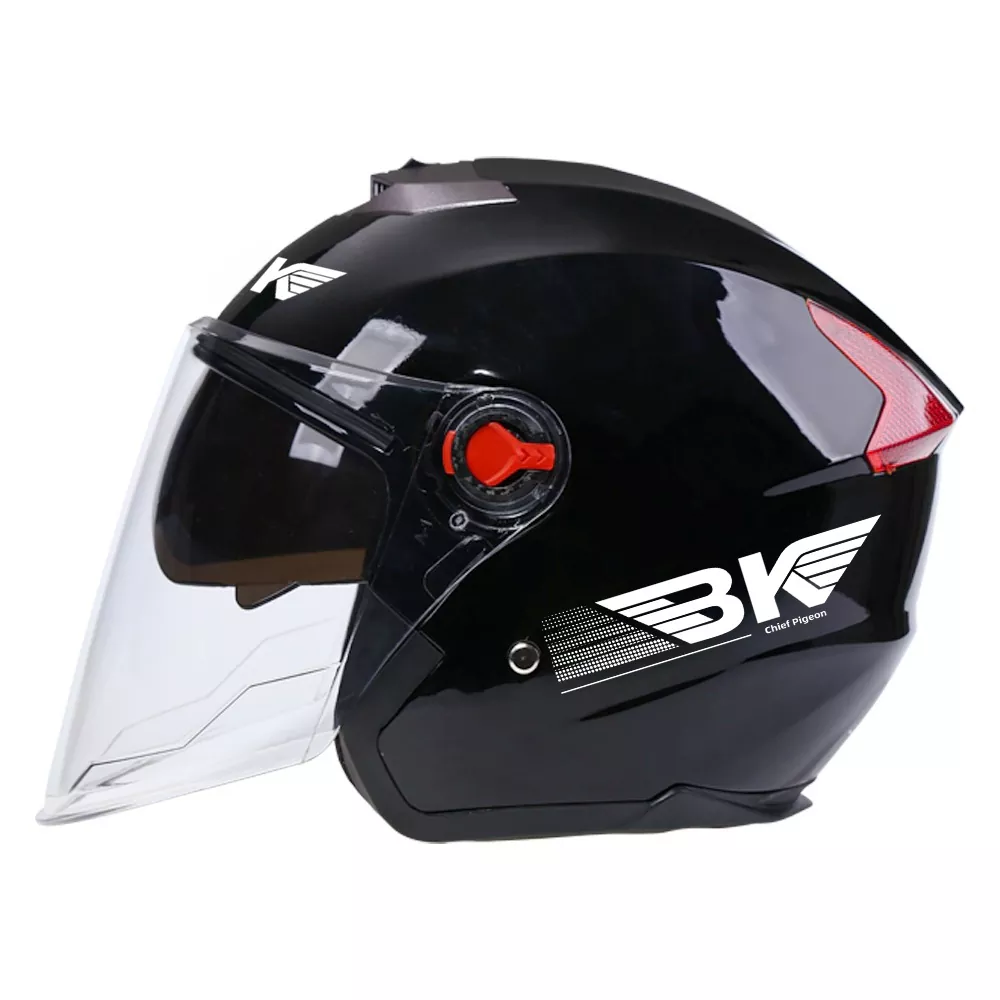
Entra in qualsiasi negozio di attrezzatura o scorri alcuni siti Web ed è facile rimanere completamente sopraffatto dall'enorme numero di scelte di caschi disponibili. Molti ciclisti si bloccano quando è effettivamente il momento di premere il grilletto per un acquisto. Ci sono Full-face, Modular, Open-face e Off-road: quale ha davvero senso per il tipo di guida che fai? Questo articolo illustra un modo chiaro e concreto di pensare alla scelta di un casco.
Utilizziamo i cookie per offrirti una migliore esperienza di navigazione, analizzare il traffico del sito e personalizzare i contenuti. Utilizzando questo sito, accetti il nostro utilizzo dei cookie. politica sulla riservatezza


 15 2026-05
 15 2026-05
 11 2026-05
 11 2026-05
 29 2026-04
 27 2026-04