Rimani aggiornato con le ultime notizie aziendali di BK Casco, il lancio di nuovi prodotti, le tendenze del settore dei caschi per motociclisti, gli aggiornamenti degli standard di sicurezza internazionali e gli annunci delle fiere globali.
Questo testo delinea il rigoroso processo di test per i caschi da corsa: ogni lotto viene sottoposto a valutazioni complete, inclusi test di impatto in vari punti, nonché valutazioni della calotta, della fodera, della visiera e del sistema di ritenzione, seguite da un'ispezione manuale di ogni singolo casco prima che venga imballato. Il punto fondamentale è che la vera affidabilità di un casco non risiede nel suo aspetto, ma in queste procedure invisibili di test e controllo qualità.
La fabbrica gestisce internamente l'applicazione dei rivestimenti antigraffio e antiappannamento per le visiere dei caschi, anziché esternalizzare il processo. Il rivestimento rigido antigraffio riduce graffi, opacità e abbagliamento, prolungando così la durata delle visiere. Il rivestimento antiappannamento deve essere saldamente attaccato alla superficie: applicarlo semplicemente come strato superficiale non è sufficiente e porterebbe a un rapido guasto. La fabbrica esegue quotidianamente test respiratori manuali sulle unità campionate; sebbene questo metodo richieda molto tempo, consente il rilevamento precoce e lo scarto di lotti inferiori agli standard. Entrambi i rivestimenti sono caratteristiche standard su tutte le visiere che lasciano la fabbrica (un fattore critico per la soddisfazione a lungo termine degli utenti e la reputazione del marchio) e la fabbrica è pienamente preparata a fornire ai clienti specifiche dettagliate relative a questi rivestimenti.
Questo articolo presenta i servizi di personalizzazione con marchio privato OEM offerti da un produttore di caschi. I clienti non hanno bisogno di progettare prodotti da zero; scelgono semplicemente tra modelli certificati, mentre il produttore gestisce i dettagli del marchio come imballaggio personalizzato, contrassegni sul cartone, decalcomanie sul guscio, marchio del rivestimento interno ed etichette per cinghie.
Questo articolo si basa sui nostri registri di produzione interni, sulle liste di controllo del controllo qualità e sui rapporti di test di terze parti. È destinato agli acquirenti B2B che valutano i partner produttori di caschi. Non è un consiglio di sicurezza. I requisiti del casco variano in base al modello e al mercato di destinazione.
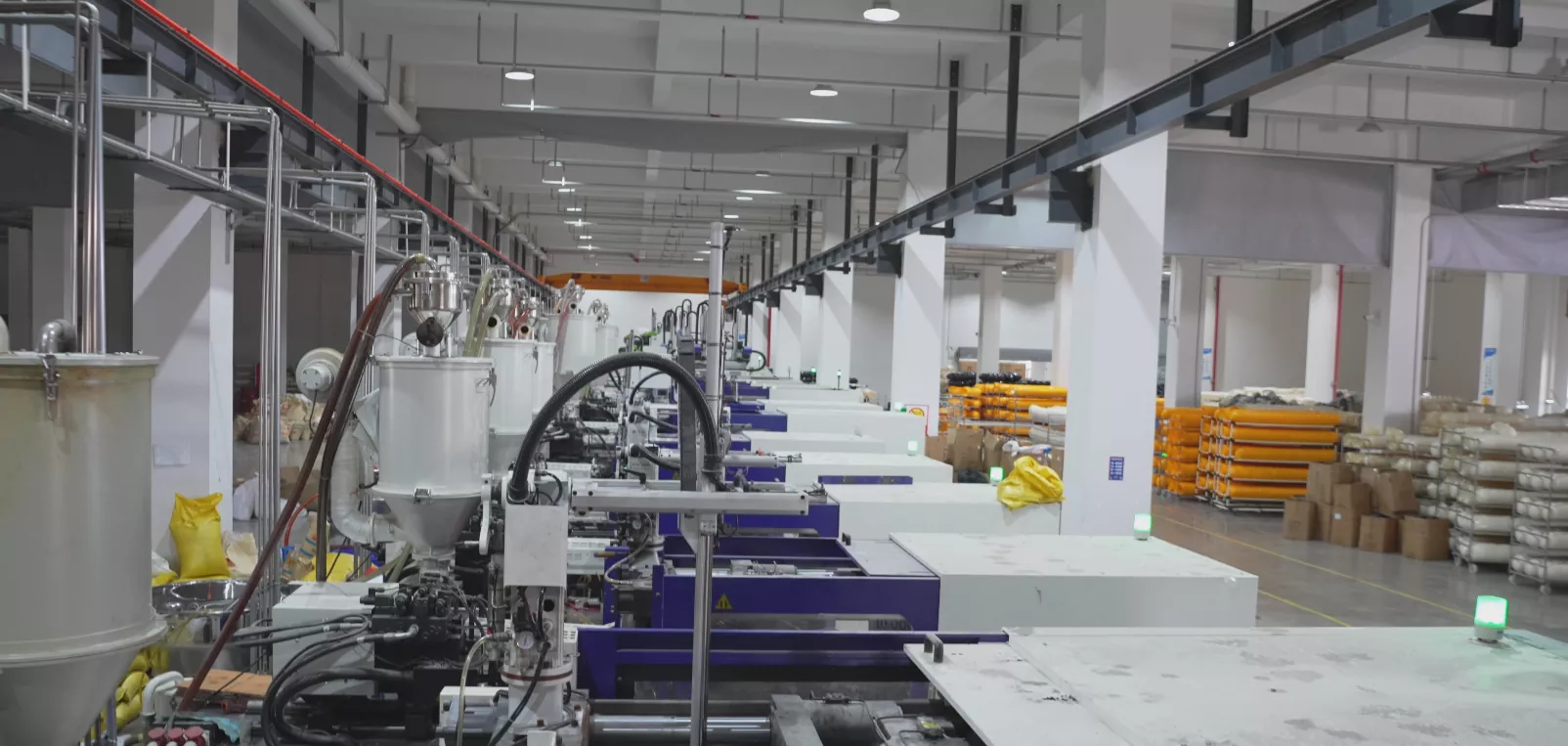
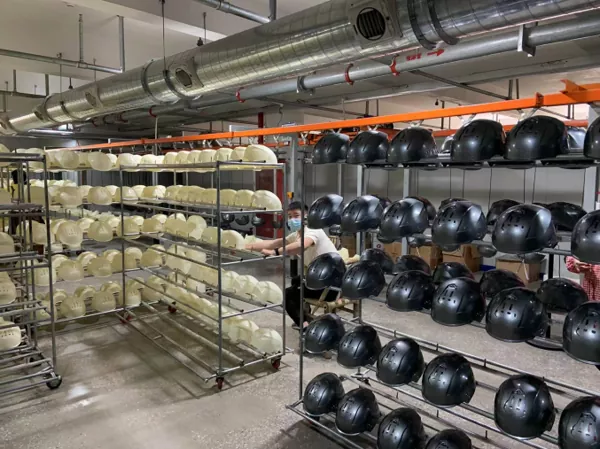
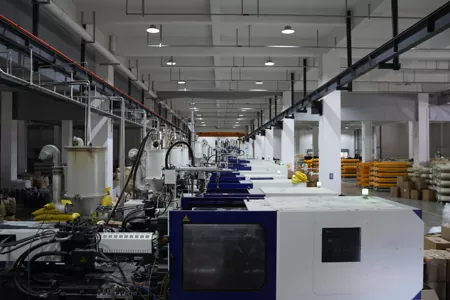
Il nostro stabilimento di produzione di caschi professionali ha completato un aggiornamento completo delle linee di produzione principali, per soddisfare la crescente domanda globale di caschi per motociclisti personalizzati e offrire servizi OEM e ODM migliorati per i clienti internazionali. Abbiamo concentrato questo aggiornamento sulla velocità di produzione, sulla qualità costante del prodotto e sulla personalizzazione flessibile. Ora siamo ben preparati per grandi ordini all'ingrosso e diversi progetti personalizzati da distributori, marchi e rivenditori globali.
Una qualità costante è essenziale quando acquisti caschi da moto in grandi quantità. Per distributori, grossisti e marchi di motociclette, non è solo una questione di aspetto dei caschi: la sicurezza, le prestazioni e la coerenza tra i lotti sono altrettanto importanti. Ecco perché utilizziamo le ispezioni AQL (livello di qualità accettabile) in tutti i nostri ordini di produzione. Prima che i caschi lascino la nostra fabbrica, li controlliamo rispetto ai requisiti di qualità concordati e alle specifiche del cliente per assicurarci che ogni lotto soddisfi gli standard richiesti. Il nostro obiettivo è semplice: mantenere la qualità costante dal primo lotto a quello successivo, in modo che i nostri clienti possano ordinare con fiducia e costruire affari a lungo termine con noi.
Utilizziamo i cookie per offrirti una migliore esperienza di navigazione, analizzare il traffico del sito e personalizzare i contenuti. Utilizzando questo sito, accetti il nostro utilizzo dei cookie. politica sulla riservatezza


 19 2026-10
  16 2026-10
  10 2026-10
  09 2026-10
  30 2026-09
  30 2026-09